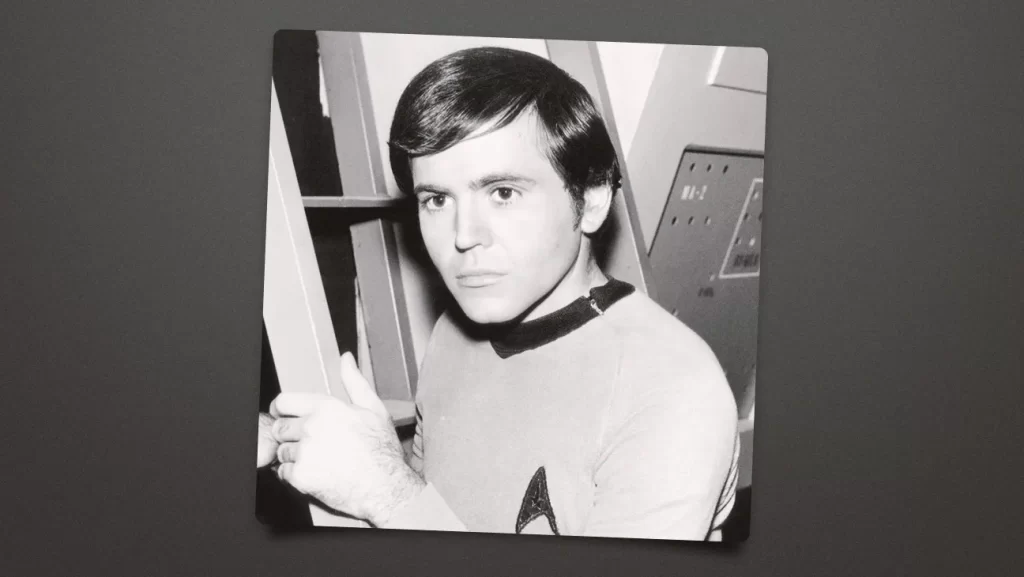
Some actors become inseparable from a character. Walter Koenig achieved something more: he helped make a fictional future feel welcoming, familiar, and worth believing in.
Following news of his death at 90, audiences are remembering the performer who brought Pavel Chekov to life in Star Trek. Yet his career offers more than nostalgia. Across acting, writing, and teaching, Koenig demonstrated how a supporting performer could leave a lasting impression on an entire genre.
A Young Navigator With an Enduring Appeal
Koenig joined Star Trek: The Original Series in its second season, portraying the Enterprise’s Russian navigator, Pavel Chekov. His youthful energy added another distinctive personality to an already memorable bridge crew. TrekCore.com
Chekov’s appeal came from his enthusiasm. He could be confident, curious, funny, and occasionally overwhelmed by the dangers around him. Those qualities gave viewers someone approachable amid the show’s extraordinary discoveries.
While Captain Kirk commanded attention and Spock challenged audiences with logic, Chekov brought the excitement of someone still discovering his place in the universe. Koenig made that perspective feel essential to the Enterprise’s adventures.
Why Chekov Meant More Than Comic Relief
A Russian officer serving alongside colleagues from different backgrounds carried particular significance during the Cold War. Chekov helped express Star Trek’s belief that humanity could move beyond political divisions and work toward shared goals. apnews.com
That idea remains one of the character’s strongest qualities. His presence suggested that tomorrow’s possibilities could be larger than today’s disagreements.
Koenig communicated this through everyday moments aboard the ship. Chekov belonged at his station, contributed to the mission, and shared the risks facing everyone else. The hopeful message emerged naturally from watching the crew work together.
Beyond the Enterprise, a Darker Side Emerged
Viewers who knew Koenig primarily as Chekov encountered a strikingly different performer in Babylon 5. As Alfred Bester, he played a telepath whose controlled manner and threatening presence revealed another dimension of his acting. TrekCore.com
The contrast makes these performances especially rewarding to revisit. Chekov invited affection through openness and enthusiasm. Bester created unease through calculation and restraint.
Together, the roles demonstrate Koenig’s ability to shape a scene through personality. He understood when warmth would draw an audience closer and when quiet confidence could make them uncomfortable.
The Storyteller Behind the Familiar Face
Koenig also built a creative life beyond performing. His credits included television writing, books, stage work, directing, and teaching. He wrote for Star Trek: The Animated Series and published works including Chekov’s Enterprise and the novel Buck Alice and the Actor-Robot. walterkoenig.com
These contributions reveal an artist interested in how stories were constructed as well as how they were performed.
A Legacy Worth Rediscovering
Remembering Walter Koenig means returning to the work itself: Chekov’s eagerness, Bester’s unsettling composure, and the imagination behind his writing.
For longtime fans, those performances preserve a connection to beloved fictional worlds. For new viewers, they offer an introduction to an actor whose smallest moments could make a vast universe feel human.